 11
11
Online entertainment used to be a library: scroll, pick, consume, leave. Live gaming platforms flipped that into a venue model. People don’t just watch content anymore, they enter a room where something is happening right now, with other people watching the same thing. That “shared timing” is the hook.
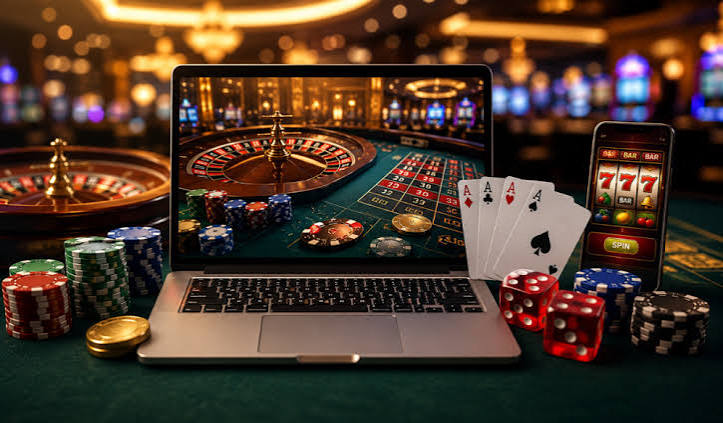
If a quick example helps, look at this website. It’s a live format built around real-time interaction, where video, interface, and user actions sit on top of each other. That structure is showing up everywhere, not only in casino-style products.
What’s changing isn’t just the games. It’s the behavior around them.
Live gaming platforms work because they remove a quiet problem of modern digital life: choice fatigue. When everything is on-demand, users spend half their time deciding. Live formats don’t ask you to decide much. They say, “This is live now. Jump in.”
That shift creates a different kind of engagement:
And yes, it’s much closer to sports culture than people admit. Live gaming is basically matchday energy, redesigned for the phone.
A lot of online gaming got polished but impersonal. Menus, algorithms, silent screens. Live platforms bring humans back into the loop: hosts, dealers, commentators, streamers, moderators.
Even when the gameplay is simple, a live human presence changes everything:
It’s the same reason people still watch live shows instead of only watching replays. Humans make moments feel real.
If live gaming feels “off” by even a few seconds, users notice. Not in a polite way either. They get suspicious, they get frustrated, they leave.
So platforms invest heavily in:
The goal is simple: tap should feel instant, outcomes should feel immediate, and the “live” should actually be live.
This is one of the most under-discussed shifts. Live gaming platforms are hiring for roles that look more like broadcasting than software:
Because these platforms aren’t just delivering games. They’re delivering a show people can join.
And show design affects retention more than any banner ad. A good live format has pacing. Peaks. Breathing room. Moments worth talking about.
In live gaming, chat does a few jobs at once:
Of course, chat also creates problems: spam, toxicity, scams, harassment. Platforms that want long-term growth are forced to get serious about moderation tools, not just add a report button and hope for the best.
If the room feels unsafe or annoying, people don’t argue. They vanish.
On-demand entertainment is easy to postpone. Live entertainment feels harder to postpone. That’s why live gaming fits modern attention so well.
It creates:
This is also why live formats can keep users engaged longer than expected, even when each interaction is small. The room stays alive. The user stays in it.
Live gaming platforms often sit close to payments, wallets, or real-money mechanics, depending on the category and region. The trust bar is high because the risk feels real.
Users look for signals like:
And they judge quickly. If a platform feels confusing on purpose, that’s not “complex.” That’s “not trustworthy.”
Also worth saying plainly: legality varies by region and product type. Platforms that act responsible tend to be clear about eligibility and user protections. Platforms that aren’t clear tend to attract the wrong kind of attention, and not the fun kind.
Live content used to be one-size-fits-all by definition. Now platforms personalize around the live layer:
This reduces discovery friction, which helps retention. But it also shapes habits. If the platform always pushes the same format, users can end up in a loop without noticing. Some love that. Some burn out fast.
The smarter platforms give control: notification categories, preferences, quieter settings, obvious opt-outs. Because live entertainment plus aggressive nudging is a recipe for user fatigue.
Live gaming platforms aren’t just competing with each other. They’re competing with:
So they borrow what works:
The result is a new kind of entertainment product: part game, part broadcast, part social room.
Live gaming will keep expanding, but the winners will probably look less “flashy” and more “reliable.” Users stick with platforms that feel stable under pressure.
Expect more focus on:
Because the live model scales only as far as trust scales.
Live gaming platforms are transforming online entertainment by making it communal, immediate, and harder to ignore. They turn “content” into an event and “users” into a crowd.
And once people get used to entertainment that feels alive, the old model of scrolling through endless options starts to feel… flat. That’s the shift. Live gaming isn’t just another category. It’s a new default for how digital entertainment can feel.