 11
11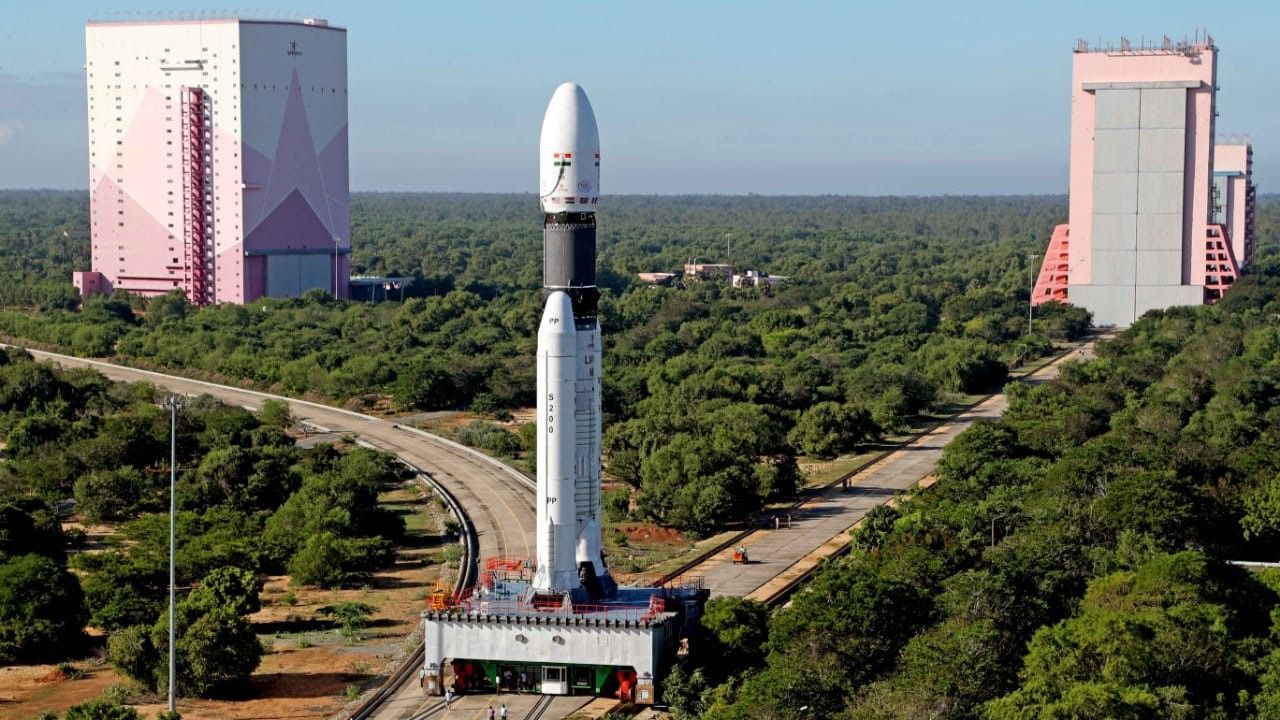
India’s ambitious Gaganyaan Mission is one of the country’s biggest milestones in space exploration. After years of preparation, testing, and technological advancements, the Indian Space Research Organisation (ISRO) is moving closer to launching its first crewed spaceflight.
If you’re searching for the ISRO Gaganyaan Mission launch date 2026 latest update, this guide covers everything you need to know—from the expected launch schedule and astronaut training to mission objectives, spacecraft technology, recent developments, and future plans.
Gaganyaan is India’s first human spaceflight mission, designed to send Indian astronauts, known as Gaganyatris, into low Earth orbit (LEO) aboard an Indian-built spacecraft.
The mission demonstrates India’s capability to independently develop and operate human spaceflight systems, joining a select group of nations that have successfully launched astronauts using indigenous technology.
The spacecraft is designed to:
According to the latest official announcements and mission planning updates, ISRO is targeting 2026 for its first crewed Gaganyaan mission, subject to the successful completion of all remaining test missions, safety certifications, and system validations.
Before astronauts fly, ISRO plans several critical demonstrations, including:
Since human spaceflight demands the highest level of safety, ISRO has repeatedly emphasized that the launch schedule depends on mission readiness rather than a fixed calendar date.
As of the latest updates, no official final launch day in 2026 has been publicly confirmed.
Many people wonder why the Gaganyaan mission has taken longer than expected.
Several reasons contributed to the revised schedule:
Human missions require thousands of safety checks that robotic missions do not.
ISRO developed an advanced emergency escape mechanism capable of pulling astronauts away from the rocket during emergencies.
The LVM3 launch vehicle needed numerous modifications before being certified for carrying humans.
Indian astronauts have undergone years of specialized training involving:
ISRO is validating every major system through unmanned demonstrations before approving a crewed launch.
The Gaganyaan mission aims to achieve several important goals.
India seeks to independently launch astronauts using indigenous technology.
The mission strengthens expertise in:
Astronauts will conduct experiments in microgravity that could benefit medicine, materials science, agriculture, and engineering.
The experience gained from Gaganyaan will contribute to:
The Gaganyaan spacecraft consists of two main sections.
The pressurized capsule where astronauts stay during the mission.
Features include:
Supports the spacecraft by providing:
The mission will use ISRO’s LVM3 rocket, previously known as GSLV Mk III.
The heavy-lift rocket has already demonstrated its reliability through multiple successful launches.
Before transporting astronauts, it has undergone additional modifications to meet human-rating standards.
ISRO has selected Indian Air Force test pilots for astronaut training.
These astronauts have completed:
Their preparation has involved international collaboration as well as advanced training facilities in India.
Over the past few years, ISRO has made steady progress.
Major achievements include:
Each milestone reduces technical risk before the final crewed mission.
The mission is more than sending astronauts into space.
It represents:
The technologies developed for Gaganyaan are also expected to benefit industries such as robotics, medicine, aerospace manufacturing, artificial intelligence, and advanced materials.
ISRO has ambitious long-term goals.
Possible future missions include:
Gaganyaan serves as the foundation for these future programs.
People also search for:
ISRO has announced that the first crewed Gaganyaan mission is targeted for 2026, but it has not officially confirmed an exact launch date. The final schedule depends on successful completion of all remaining qualification and test missions.
Human spaceflight missions require extensive safety verification. ISRO follows a “mission readiness first” approach, meaning the launch will only occur after every critical system meets strict safety standards.
The spacecraft is designed to carry up to three astronauts into low Earth orbit for a short-duration mission.
The mission will use ISRO’s LVM3, India’s heavy-lift launch vehicle that has been upgraded and human-rated for astronaut safety.
The planned mission duration is approximately three days in low Earth orbit, followed by atmospheric re-entry and splashdown in the sea.
After re-entry, the crew module will splash down in the sea, where Indian naval teams will recover the astronauts and spacecraft.
The mission aims to demonstrate India’s capability to independently send humans into space, safely operate a crewed spacecraft, and recover astronauts after the mission.
Yes. The technologies developed for Gaganyaan will support future projects, including an Indian space station, advanced space laboratories, lunar exploration, and other long-duration human spaceflight missions.
The ISRO Gaganyaan Mission launch date 2026 latest update reflects India’s careful and safety-focused approach to human spaceflight. Although an exact launch date has not yet been officially announced, significant progress has been made through successful escape tests, spacecraft qualification, rocket upgrades, and astronaut training.
Once launched, Gaganyaan will become a historic achievement for India, showcasing indigenous technological capabilities and opening the door to a new era of human space exploration. With each completed milestone, ISRO moves one step closer to making India’s first crewed orbital mission a reality and laying the groundwork for even more ambitious missions in the years ahead.