 11
11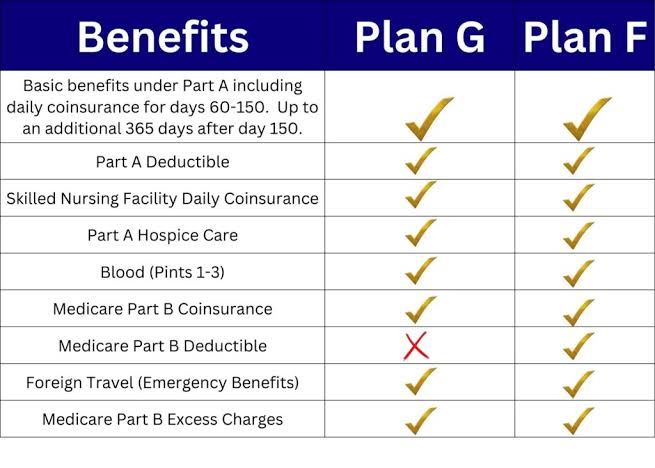
Choosing the right Medicare coverage is an important part of planning for your healthcare during retirement. While Original Medicare helps cover many medical expenses, it doesn’t pay for every cost you may encounter. Deductibles, coinsurance, and other out-of-pocket expenses can quickly add up, making Medicare Supplement insurance an attractive option for many beneficiaries.
Many people compare AARP Medicare Supplement plans with Aetna Medicare Supplement Plan G when looking for additional financial protection beyond Original Medicare. Understanding how Medicare Supplement plans work and what factors to consider can help you make a confident and informed decision.
Original Medicare consists of two parts:
These programs help cover many healthcare services, including:
Although Original Medicare provides valuable coverage, beneficiaries are generally responsible for deductibles, copayments, and coinsurance.
Medicare Supplement insurance, commonly called Medigap, is private insurance designed to help pay many of the healthcare costs not fully covered by Original Medicare.
Depending on the plan selected, Medigap policies may help cover:
Medigap policies work alongside Original Medicare and do not replace it.
AARP Medicare Supplement plans are standardized Medigap policies offered through private insurance. These plans are designed to help reduce eligible out-of-pocket healthcare expenses for individuals enrolled in Original Medicare.
Potential features include:
Since Medigap benefits are standardized in most states, the coverage for a specific plan letter is generally the same regardless of the insurance company offering it.
Aetna Medicare Supplement Plan G is one of the most popular Medigap options available to eligible Medicare beneficiaries. Plan G is designed to provide comprehensive supplemental coverage by helping pay many of the costs that Original Medicare does not cover.
Depending on eligibility and state availability, Plan G may include:
Many beneficiaries consider Plan G because it offers broad coverage with predictable out-of-pocket expenses after the annual Medicare Part B deductible.
Plan G has become one of the most frequently selected Medicare Supplement plans for several reasons.
Common advantages include:
Although benefits are standardized, monthly premiums may vary between insurance companies.
Every Medicare beneficiary has unique healthcare needs. Before enrolling in a Medigap policy, consider several important factors.
Compare monthly premium costs along with anticipated healthcare expenses.
Verify that preferred physicians and healthcare facilities accept Medicare.
Consider current medical conditions and expected healthcare needs.
Review both premium costs and potential out-of-pocket expenses.
Select coverage that will continue supporting future healthcare needs.
Carefully reviewing these factors helps consumers choose coverage that aligns with their financial and healthcare goals.
The following table highlights several important features often considered when evaluating Medicare Supplement plans.
| Coverage Option | Primary Purpose |
| AARP Medicare Supplement | Standardized Medigap coverage to help reduce eligible out-of-pocket costs |
| Aetna Medicare Supplement Plan G | Comprehensive Medicare Supplement coverage under Plan G |
| Original Medicare | Federal hospital and medical insurance |
| Medicare Supplement Insurance | Helps cover Medicare cost-sharing expenses |
| Medicare Part D | Prescription drug coverage |
| Medicare Advantage | Alternative way to receive Medicare benefits through private insurers |
Each option serves a different purpose depending on an individual’s healthcare needs.
Even though Medicare Supplement benefits are standardized, comparing plans remains important.
Consumers often compare:
Taking time to compare insurers can help beneficiaries maximize the value of their Medicare coverage.
Today’s Medicare marketplace offers digital resources that simplify plan comparisons.
Many insurance providers now offer:
These tools make researching Medicare coverage more convenient than ever.
Choosing Medicare Supplement insurance requires balancing affordability with comprehensive healthcare protection.
Many beneficiaries evaluate:
Comparing expected healthcare expenses beyond Original Medicare.
Ensuring continued access to physicians and specialists who accept Medicare.
Reviewing supplemental benefits provided under each Medigap plan.
Choosing coverage that continues meeting medical needs as circumstances change.
A thoughtful comparison helps beneficiaries make confident Medicare decisions.
Medicare Supplement insurance provides valuable financial protection by helping reduce eligible out-of-pocket healthcare costs. Since premiums, pricing methods, and member services can vary among insurance companies, comparing available plans before enrolling is an important part of the decision-making process.
Whether you’re considering AARP Medicare Supplement coverage or researching Aetna Medicare Supplement Plan G, carefully reviewing your options can help you select a Medicare Supplement plan that supports both your healthcare needs and your long-term financial goals.
Choosing the right Medicare Supplement plan can provide greater financial confidence while helping you manage healthcare expenses during retirement. Understanding how Medigap plans work and comparing available insurers allows beneficiaries to make informed coverage decisions.
By comparing Medicare Supplement options carefully, beneficiaries can choose coverage that offers dependable protection and greater peace of mind throughout retirement.