 11
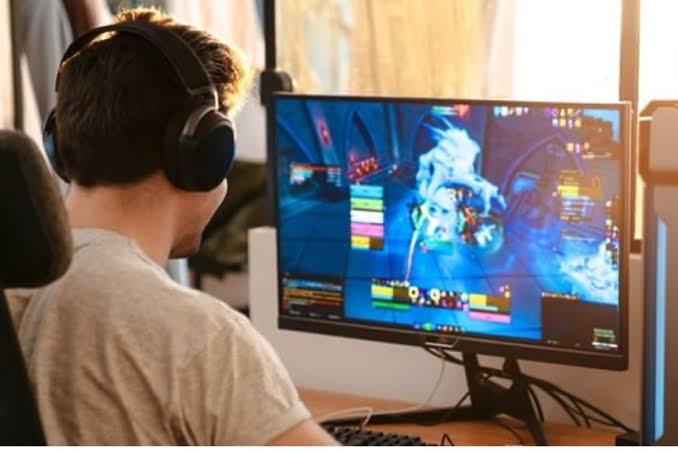
Online gaming sessions can last longer than expected when players become absorbed in a particular activity. Without clear boundaries, beginners may lose track of time, overlook their spending, or make decisions based on temporary emotions. Understanding budgeting, time management, and personal behavior can help players maintain better control throughout extended gaming sessions.
Before starting an online game, determine the amount of money available for entertainment after accounting for essential expenses. Housing, food, transportation, education, and savings should always take priority over recreational activities.
A spending limit should reflect what a person can afford to lose without experiencing financial difficulties. It should not be calculated according to expected winnings or the possibility of recovering previous losses. Once the predetermined amount has been used, additional deposits should not be treated as a solution.
Keeping entertainment expenses separate from everyday finances also makes it easier to identify excessive spending. This simple distinction encourages more deliberate decisions and reduces the likelihood of using money intended for essential needs.
The amount used in each round influences how quickly money can be spent. Beginners should understand the relationship between individual stakes, the number of rounds, and the total amount wagered during a session.
For example, Slot Bet 100 illustrates a nominal betting amount of 100 units per round. If the same amount is used repeatedly, the cumulative total can become substantially larger than the initial stake. The number of rounds completed is therefore an important factor when assessing overall expenditure.
Players should also distinguish between total wagers and net financial results. Total wagers represent the accumulated amounts placed during gameplay, while net results account for both money gained and money lost. These figures measure different things and should not be confused when reviewing financial records.
Time management is another important consideration during prolonged gaming. Extended sessions can contribute to fatigue, reduced concentration, and difficulty recognizing when it is appropriate to stop.
Choose a specific starting time and ending time before beginning. A clock, alarm, or device reminder can help maintain this schedule. The planned duration should not interfere with work, education, family responsibilities, or adequate sleep.
Regular breaks provide an opportunity to assess concentration and emotional condition. However, taking a break does not automatically make an excessively long session safe or productive. The original time limit should remain the primary reference point.
Accurate records provide a clearer understanding of gaming-related expenses. A simple spreadsheet can include the date, initial balance, deposits, withdrawals, total expenditure, and remaining balance.
Reviewing these details helps identify recurring patterns, such as spending more than planned or frequently adding funds during a session. Written records are generally more reliable than memory, particularly when several sessions occur within a short period.
When comparing different betting levels, Slot Bet 200 represents a nominal stake twice as large as a 100-unit stake under the same currency and betting conditions. This difference illustrates why small changes in individual amounts can influence cumulative expenditure over repeated rounds.
Emotions can significantly influence decisions during online gaming. Frustration after losing may encourage a person to continue playing in an attempt to recover previous losses. Excitement following a win can also create unrealistic expectations about future results.
Neither reaction provides reliable information about what will happen next. In games involving random outcomes, previous results do not guarantee future outcomes.
When frustration, fatigue, or excitement begins to interfere with judgment, ending the session is a practical way to prevent impulsive decisions. Gaming should also be avoided when emotional distress makes it difficult to follow established financial boundaries.
Regularly reviewing personal habits helps reveal whether gaming is affecting other areas of life. Relevant indicators include weekly spending, hours spent playing, sleep quality, work performance, and the ability to meet everyday responsibilities.
Repeatedly exceeding spending limits, borrowing money for gaming, concealing expenses, or feeling unable to stop can indicate a developing problem. These patterns should be addressed promptly rather than dismissed as temporary inconveniences.
Practical measures include taking an extended break, restricting access to additional funds, and seeking professional support when gaming becomes difficult to control.